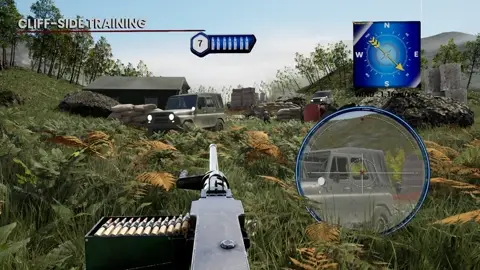
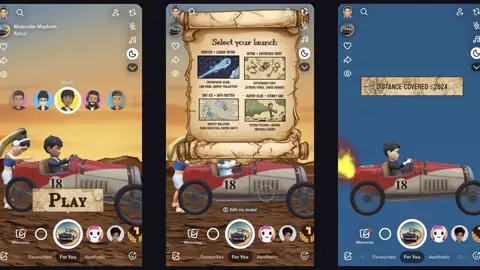


Started 3D modelling, for fun
ハルジオン · everything lives inside a window
Rahul Shaw
Senior / Lead XR Engineer, Computer Vision Engineer, Real-time Systems Engineer
I create simulations using XR and computer vision, and games on the side.
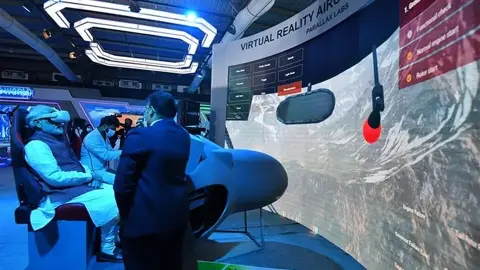
- Demonstrated · Defense Expo 2022. The Prime Minister of India flew the helicopter simulator for eight minutes.
- Flown · the Civil Aviation Minister. Jyotiraditya Scindia flew the simulator in Bengaluru, and wrote about it publicly.
- Shown · Aero India 2025. The crewed build of the same simulator — one pilot flying, one gunner on the door.
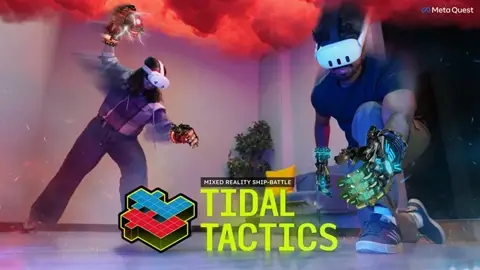
- Funded · Meta grant. Tidal Tactics, shipped public on the Horizon store at a 4.7 rating.
- Showcased · Meta Horizon Worlds, Seoul. Presented to Meta as part of the programme.
- Demonstrated · Abu Dhabi. Skylifter, at an event attended by heads of state of the UAE.
01
Work
19 shipped · 9 with a case studyResult
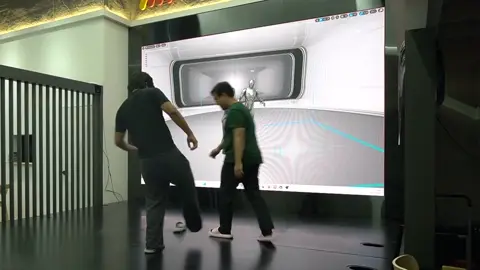
RS 001Markerless Motion CaptureIn-house R&D2025–26Real-time multi-user capture at 87% accuracyRS 002Tidal TacticsMeta Horizon · public2023–254.7 Store ratingRS 003VR Helicopter SimulatorAerospace-defense2022Demonstrated to the Prime Minister of IndiaRS 004MR Weapons TrainerDefense2023In active use for foreign military weapons trainingRS 005Medical VR TrainingMedical2021In training use at a UK instituteRS 006TrapmakerReddit · public202610+ Player-made trapsRS 007VR Golf SimulatorSports2020—RS 008Vision Therapy in VRMedical · vision science2023–2403 Tools in clinical useRS 009Satellite & Debris OrbitsAerospace · R&D2023A live TLE tester and orbit simulator
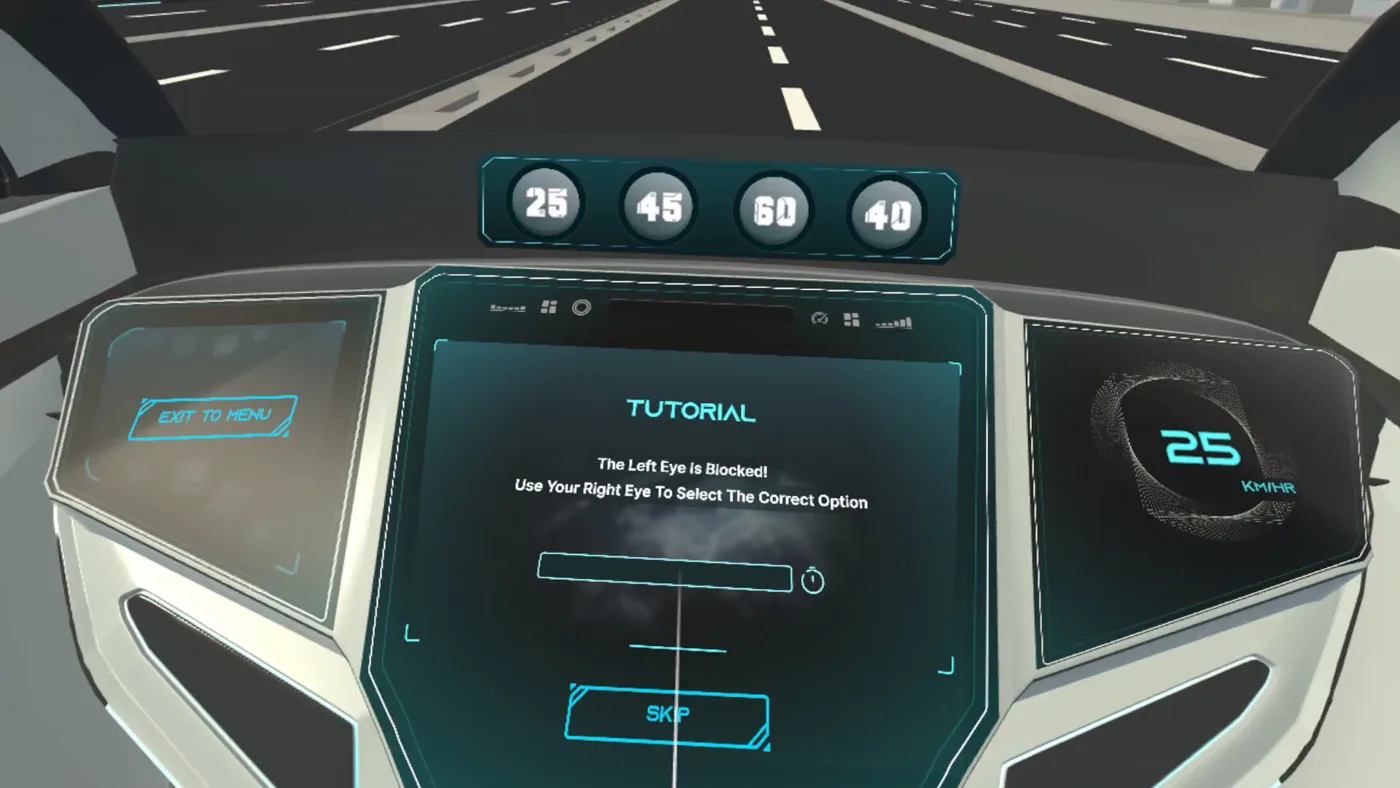
Vision Therapy in VR
Games that diagnose and treat eye conditions. A headset can show each eye a different image and watch where both of them go — which turns a clinical assessment into something you play.
03Tools in clinical useeye diagnosis and treatment software, all three live
02Eyes measuredindependently, then together
- Role
- Main developer
- Year
- 2023–24
- Client
- An eye-diagnostics company — not named
- Status
- Delivered · tested on patients
UnityPico Neo 3Tobii eye trackingC#
02
About me
2020 (intern) · 2021 full-time → Present · ParallaxFirst architectural visualisation, in Unreal 4.10
Started engineering college
Joined Parallax
Promoted to Associate Developer
Senior Developer, and moved to South Korea
Taught VR sessions at NMIMS
Became XR Lead
Taught sessions at KJ Somaiya
Attended the Meta Horizon event
Working in South Korea
Learning languages, meeting people
Enough of a habit that I built a cinema for it
Why this site is a train carriage
‹which ones, and how far in›
Seoul, ranked, and I will die on these hills
Most of my work cannot be shown
Run it on the device
When markers still win
scroll
Let's talk
Open to computer vision, XR and real-time roles. Based between Mumbai and Seoul; requires visa sponsorship.
XR Engineer · Computer Vision · Mumbai · Seoul